
RETINAL DETACHMENT REPAIR
Retinal integrity alterations due to the detachment of the neurosensory retina (NSR) from the underlying retinal pigment epithelium (RPE) and fluid accumulation in the subretina are common ophthalmology emergencies potentially leading to complete blindness.
Timeliness of medical treatments strongly influences visual function recovery, also depending on the extent of retinal detachment, with more favourable prognosis if treatments are provided in a timeframe of a few days since symptom occurrence.
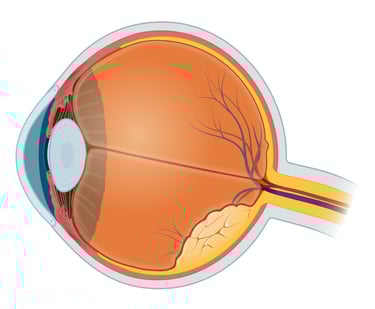
The Regenerative Devices Laboratory leads multidisciplinary research for the development of innovative scaffolds for macular displacement prevention in large retinal detachments, by promoting fast wet adhesion of NSR cells to the underlying RPE, thus mediating a prompt maintenance and restoration of visual function by minimally invasive surgical approaches.
This research is supported by the PRIN 2022 PNRR REPAIR project funding (NextGeneration EU, via Italian Ministry of University and Research, grant n. P2022TTZZF), and it is conducted in partnership with the Polytechnic University of Bari (Department of Mechanics, Mathematics and Management) and in collaboration with the Istituto Italiano di Tecnologia (Center for Materials Interfaces, Smart Bio-Interfaces).
RETINAL ALTERATIONS IN SPACE
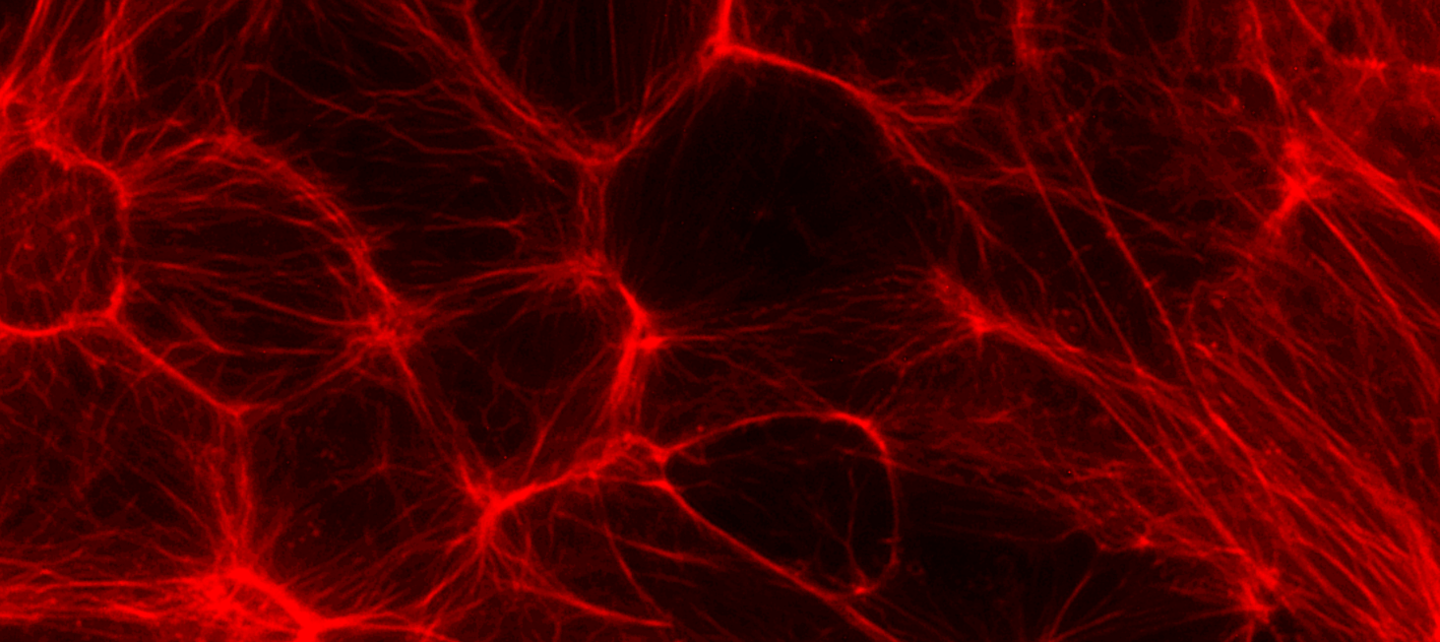
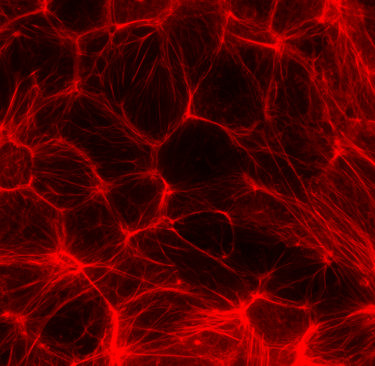
First described in 2011, spaceflight associated neuro-ocular syndrome (SANS) is classified among the highest priority risks to human health with potential catastrophic impact on interplanetary travel. Some SANS effects worsen with increasing spaceflight duration, others persist for years after return to Earth, and cumulate with multiple missions. Studies conducted on astronauts involved in long-term spaceflight demonstrated that crucial alterations for SANS onset occur at the interface between retinal pigment epithelium (RPE) and choroid, i.e. the Bruch’s membrane (BM). Given the unique nature of SANS (sharing only one symptom with terrestrial ocular disease due to hypertension), in vitro retinal models are urgently needed in order to develop countermeasures to SANS and enable safe long-term spaceflights.
Based on the evidence of the pivotal role of RPE-choroid interface dysregulation in SANS onset, the Regenerative Devices Laboratory aims at developing a cutting-edge artificial BM to collect unprecedented omics data on retinal cell behaviour on biomimetic scaffolds under altered gravity conditions, and at identifying targets for possible pharmacology countermeasures to SANS and other retinal impairments.
This research is supported by the ASI AMORE project funding (grant n. 2024-59-HH), and it is conducted in collaboration with the Polytechnic University of Bari (Department of Mechanics, Mathematics and Management), Istituto Italiano di Tecnologia (Smart Bio-Interfaces), University of Salford (School of Science, Engineering and Environment) and Vanderbilt University (School of Engineering).